| The Beijen/Beyen Family Site by Laurens Beijen |
 |
|
The homepage The overview of the site The next page The previous page |
The list of first names The photo gallery Searching this website Comments or questions |
The Johan Franco branch of the IJsselstein family
Piet Beijen from the Dutch East Indies
Born on CeramPiet Beijen (12.3) was born in March 1870 in Amahai on the Moluccan island of Ceram (present-day Seram). His mother was Anna Johanna Regina Stops, who was born in Ambon in 1846. She was still unmarried at Piet's birth. It is likely she was already in a relationship at that time with Hendrik Rudolph Beijen senior, the central figure of the previous page. He was stationed in the Moluccas during that period. In 1884, shortly after his retirement, Hendrik married Anna and acknowledged Piet as his son.Married to Helena van WijheIn 1898, Piet Beijen married the teacher and governess Jacoba Helena van Wijhe. She was born in 1873 in Surabaya, as a daughter of a retired major and a native woman. Below is the announcement in which they informed about their marriage.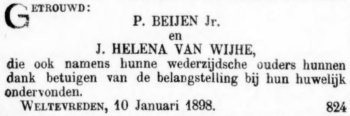 The marriage remained childless. Before his marriage, Piet had acknowledged two children by a native woman: Hendrik and Paulina, mentioned below. They were taken into Piet and Helena's household. Helena Beijen-van Wijhe remained active as a teacher throughout her marriage. She worked at the European school in Sukabumi. Hotelkeeper and insurance agentOver the course of his life, Piet held various positions. He first worked as an administrator on a coffee and cinchona plantation near Sumedang in West Java. He later settled in Sukabumi, where his father also lived. There, Piet owned a hotel and worked, among other things, as an insurance agent.Newspaper reports show that the Beijen couple took an active part in social life in Sukabumi. Helena, for instance, was mentioned as the choreographer of a children's ballet, and Piet as the actor playing the male lead in a comedy. Died in 1930Piet died in 1930 in Sukabumi. His gravestone read: Here rests / our dearly beloved / husband and father / Piet Beyen / born 28 March 1870 / in Umahai / died 6 May 1930 / in Sukabumi / R.I.P.Helena Beijen van Wijhe continued teaching for many years. Around 1950, like many others, she applied for a Dutch passport in the hope of being able to leave for the Netherlands. As far as is known, she ultimately did not leave for the Netherlands. Paulina BeijenPaulina Helena Beijen (13.2) was born in 1896 in what is now Karawang, West Java. She was one of the two children Piet Beijen had acknowledged before his marriage.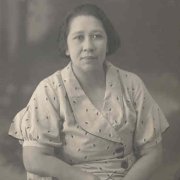 In 1916 Paulina married Andries Sissingh, a postal clerk. They had three children. Paulina died in Jakarta in 1946; Andries Sissingh died in 1978 in The Hague. Hendrik BeijenHendrik Beijen (13.1), like Paulina, was acknowledged by Piet Beijen before his marriage to Helena van Wijhe. He was born in 1895 in Karawang.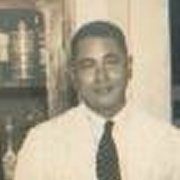 Hendrik married Gertrude Hendrika Sophia Paulus in 1920. She was born in 1902 in Sidoarjo, East Java. They had three children. Hendrik first worked as an engine-driver in the navy and later became a sergeant in the Royal Netherlands East Indies Army (KNIL). In the late 1930s, he served on the town council of his home town, Cirebon, in West Java, representing the Indo-European Association, a political organization of the Indo-European population. Died after Japanese captivityAfter the Japanese invasion of the Dutch East Indies, Hendrik was taken prisoner by the Japanese. He was first held in prisoner-of-war camps on Java. Later he was transported to Sumatra, where he was forced to work on the notorious Pekanbaru railway.A few weeks after the Japanese surrender, he died in Pekanbaru as a result of the hardships he had endured. Below are images of the front and back of his Japanese internment card. You can click on the images to enlarge them. 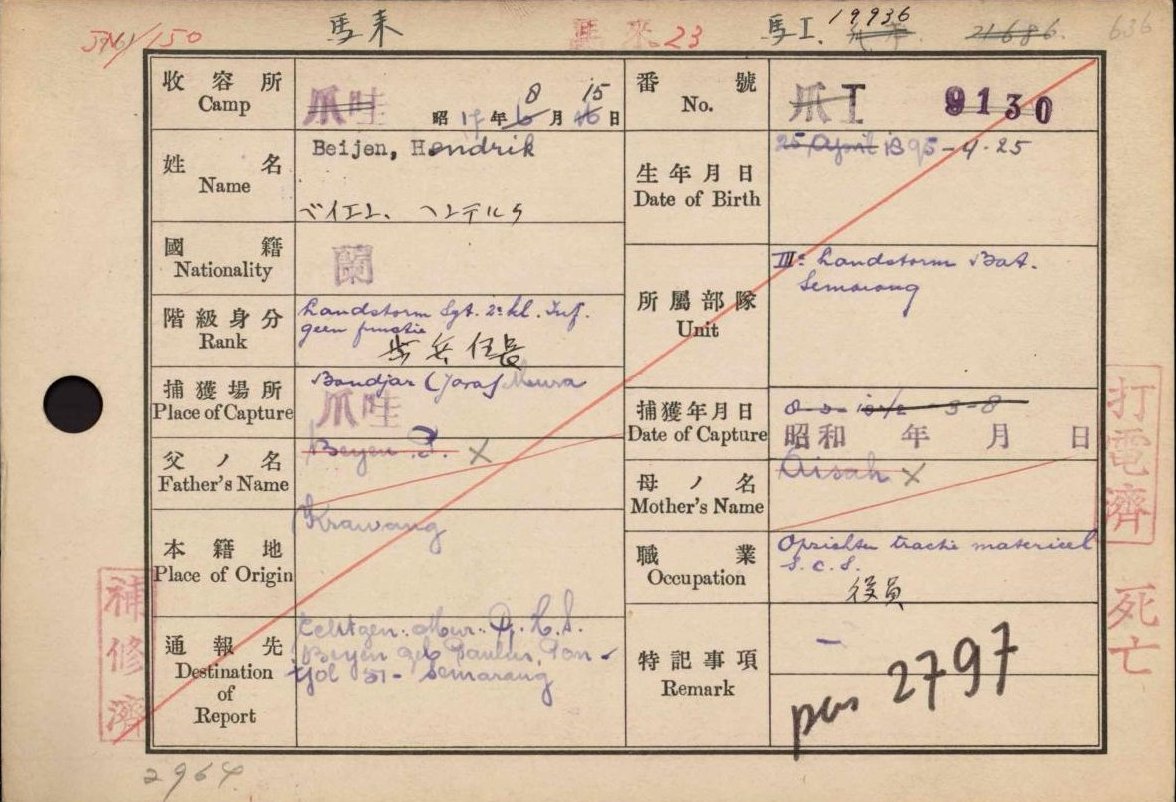 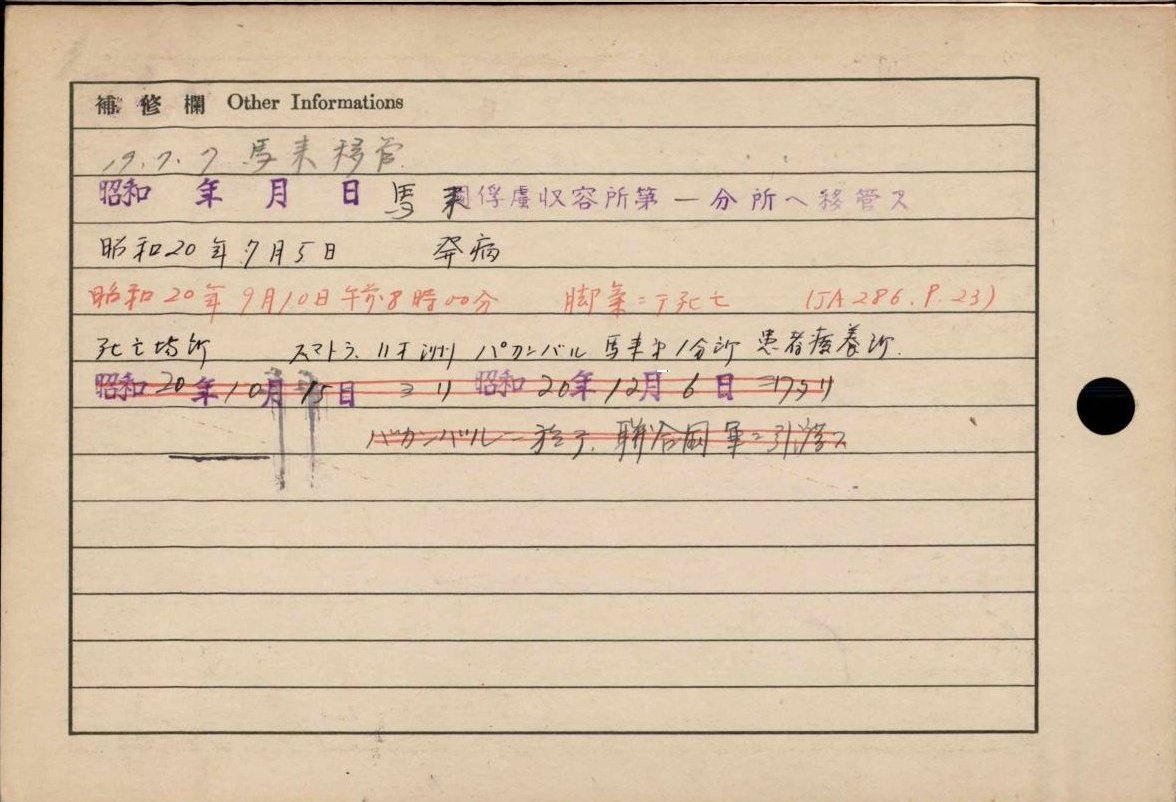 The Japanese text on the back of the card shows that he was taken prisoner on 8 March 1942. He was first held in a camp near Bandung, Java, and later in a camp near Batavia. In 1944 he was transferred to the large forced-labor camp at Pekanbaru. He fell ill on 5 July 1945 and died of beriberi on 10 September 1945. In the autumn of 1945, his remains were handed over to the Allies. Hendrik was buried at the Kalibanteng war cemetery near Semarang, Central Java. 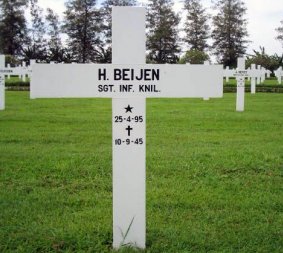 Gertrude Beijen PaulusHendrik Beijen's widow applied for a Dutch passport around 1950. She remained in Indonesia until 1957, when she left for the Netherlands with one of her daughters and two grandsons. She died in 1998 in Hilversum.The younger Piet BeijenThe son of Hendrik and Gertrude was given his grandfather's name: Piet. He was born in 1923 in Surabaya. In the overview of the members of the Johan Franco branch, he is assigned the number 14.1.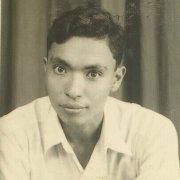 Like his father, Piet was interned as a prisoner of war by the Japanese. The text on the front of the card below shows that he served as an infantry soldier. According to a translation of the Japanese text on the front, he was taken prisoner on 5 March 1942 (shortly before his nineteenth birthday) and interned in camps in Thailand. 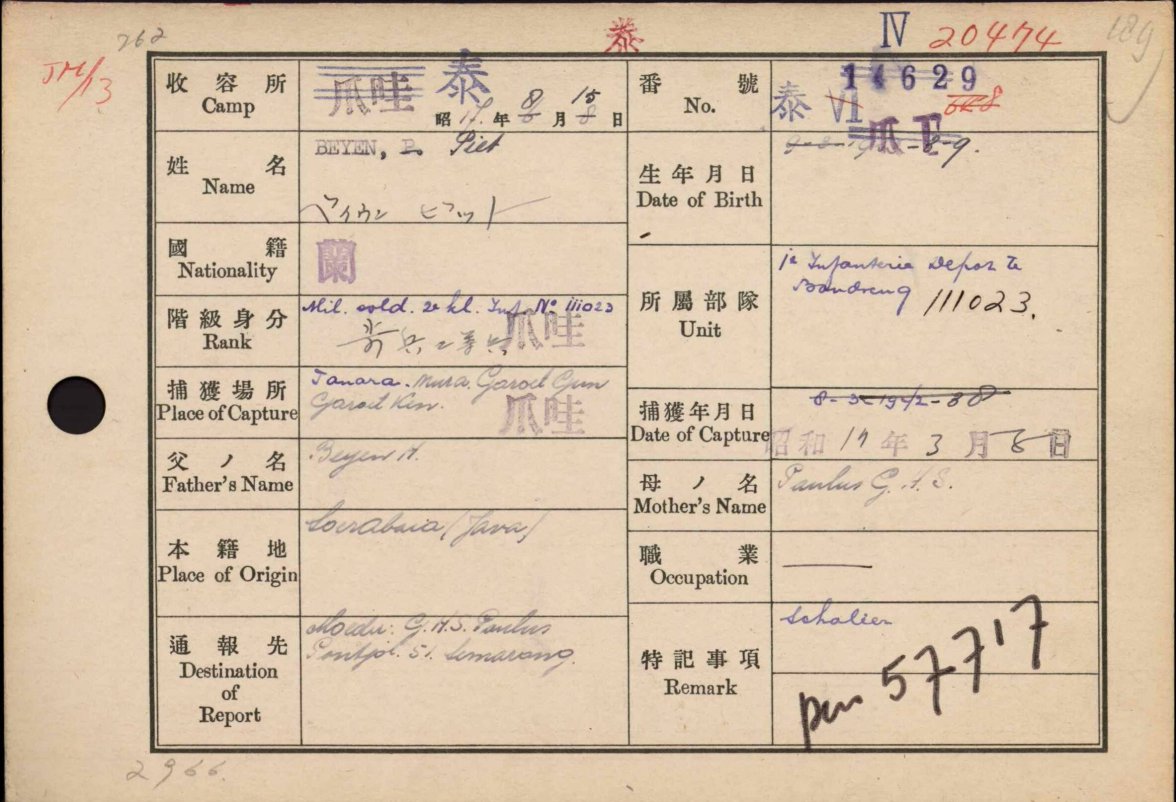 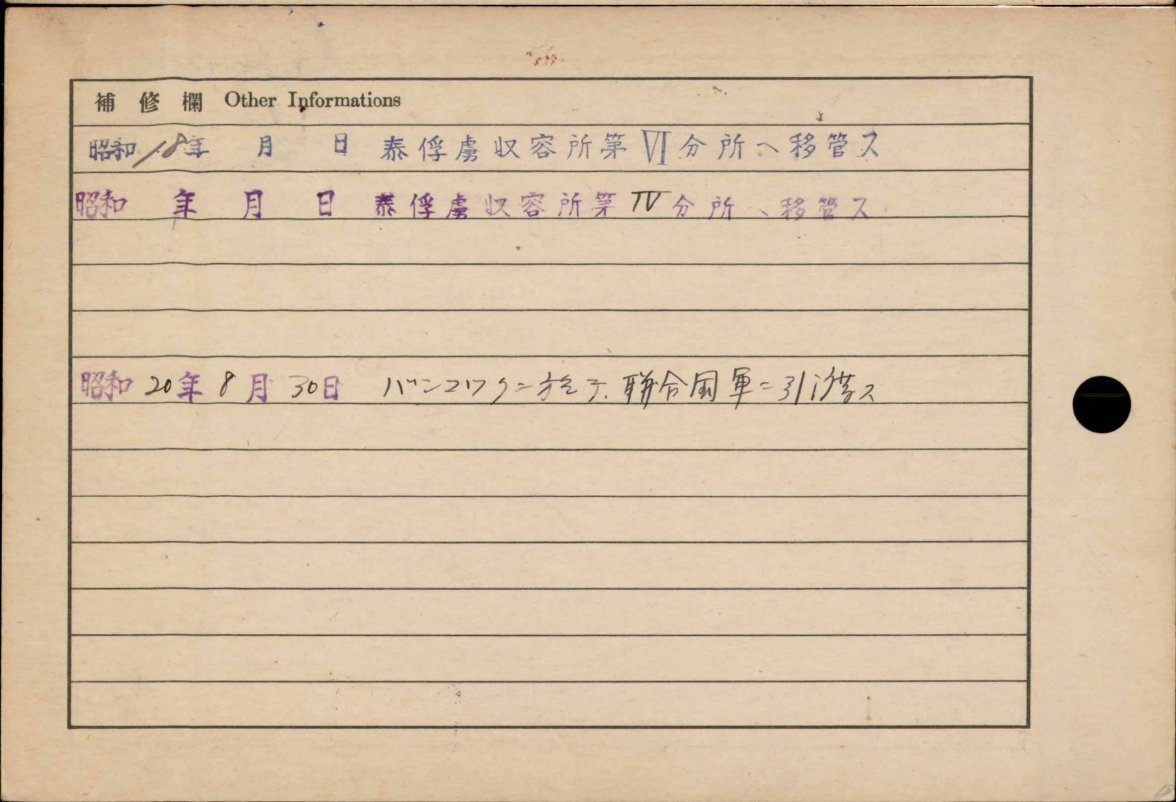 According to the Japanese text on the back of the card, he was transferred in 1943, first to the sixth and later to the fourth section of the prisoner-of-war camp in Thailand. The card further states that he was handed over to Allied forces in Bangkok on 30 August 1945. Remained in IndonesiaPiet worked for a shipping company. Although he applied for a Dutch passport, he ultimately remained living in Indonesia.In 1949, Piet married Elizabeth Mangundap in Semarang. They had one son, Karel Franklin Roy Beijen, known as Roy. Elizabeth died in 1952, aged only 28. Piet died in 1997 in Cirebon, West Java. The daughters of Hendrik and GertrudeBesides their son Piet, Hendrik Beijen and Gertrude Beijen Paulus had two daughters.Constance (14.2) (known as Connie) was born in 1924 in Tegal, Central Java. She left Indonesia for the Netherlands in 1957 with her mother and her two young sons. She died in 2026 in Tilburg. 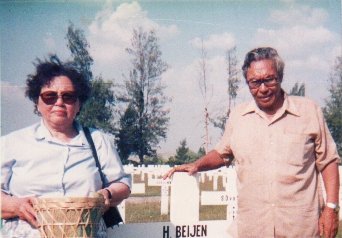 In the photo above, taken during a return visit to Indonesia, she is pictured with her brother Piet at their father's grave. Hetty (14.3) was born in 1926, also in Tegal. She left for the Netherlands in 1954, prior to her mother. In 1959 she emigrated from the Netherlands to Australia. |
|
The next page The homepage The overview of the site |
The top of the page Searching this website Comments or questions |